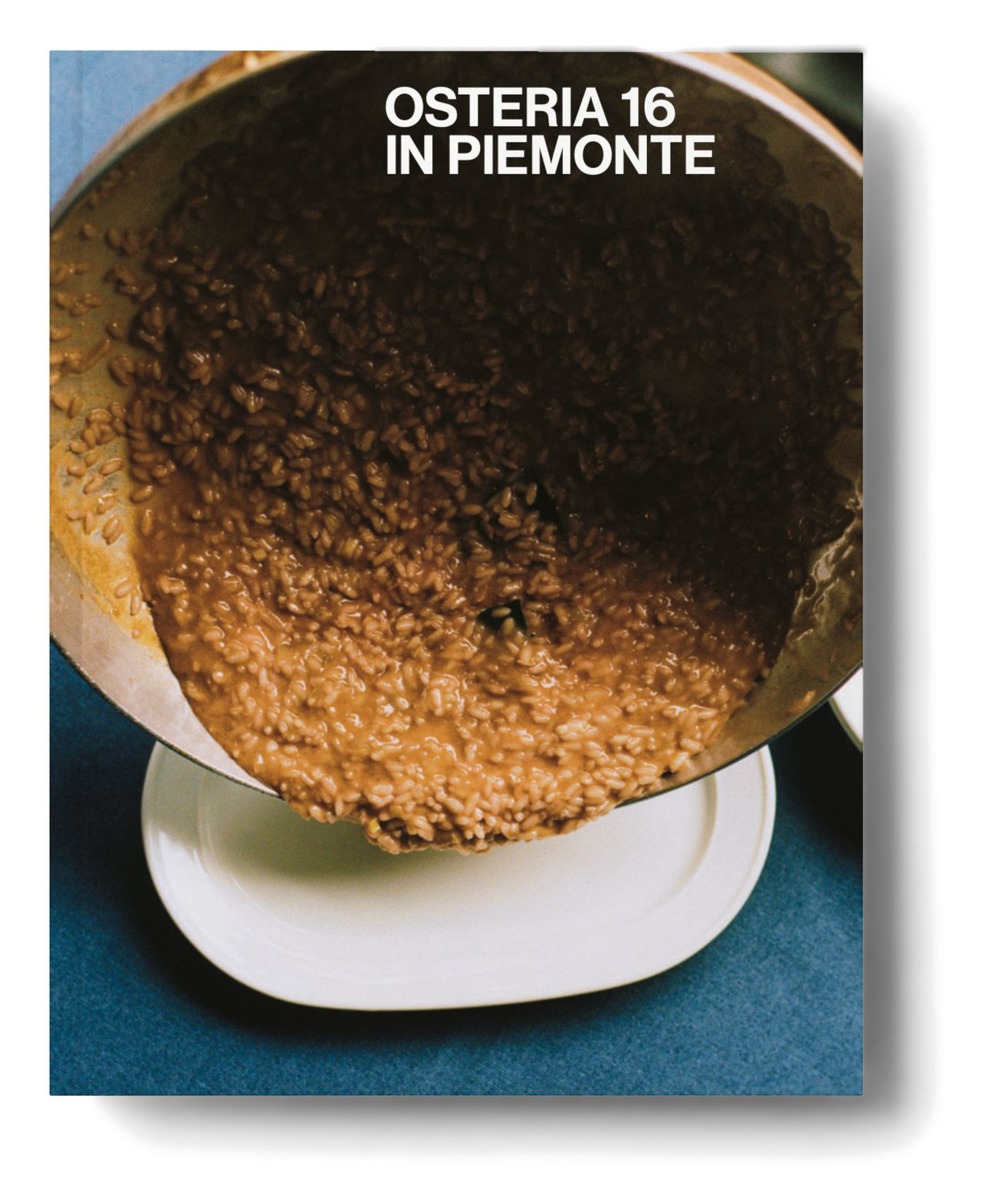
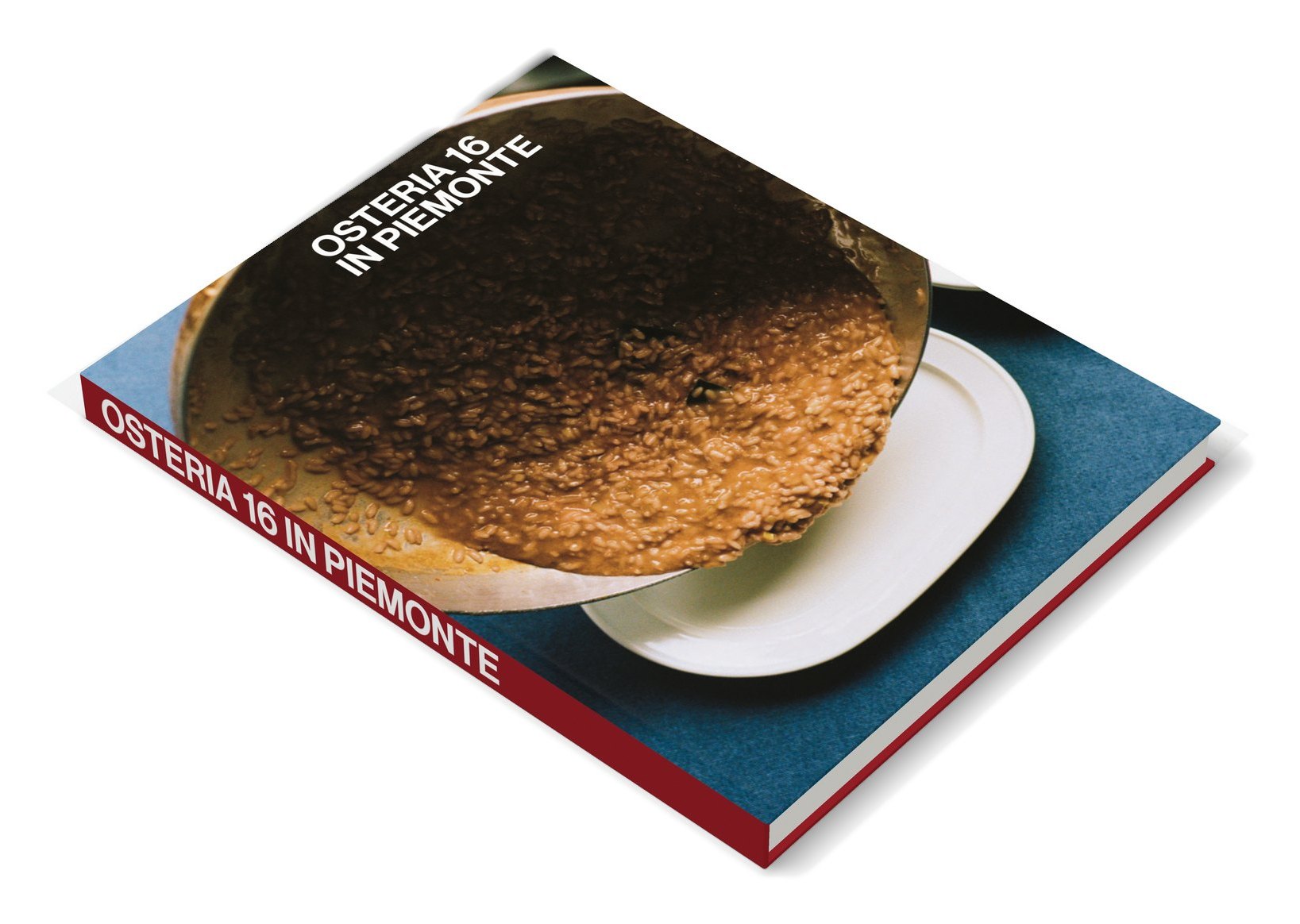
The fourth cookbook from Osteria 16 is out on 6 November 2026. It launches that evening at The Standard in London with Antenne Books, and reaches bookshops on 9 November.
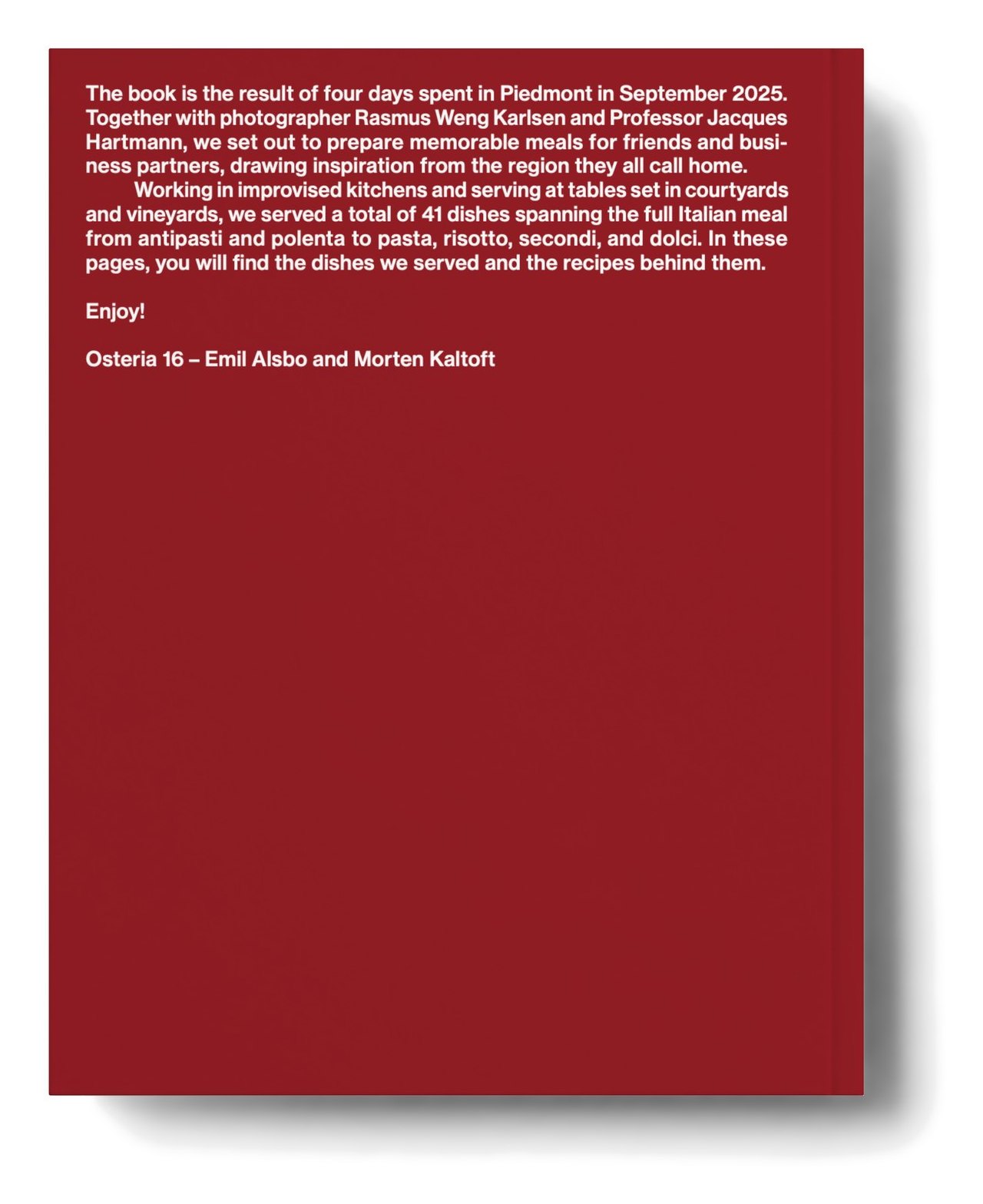
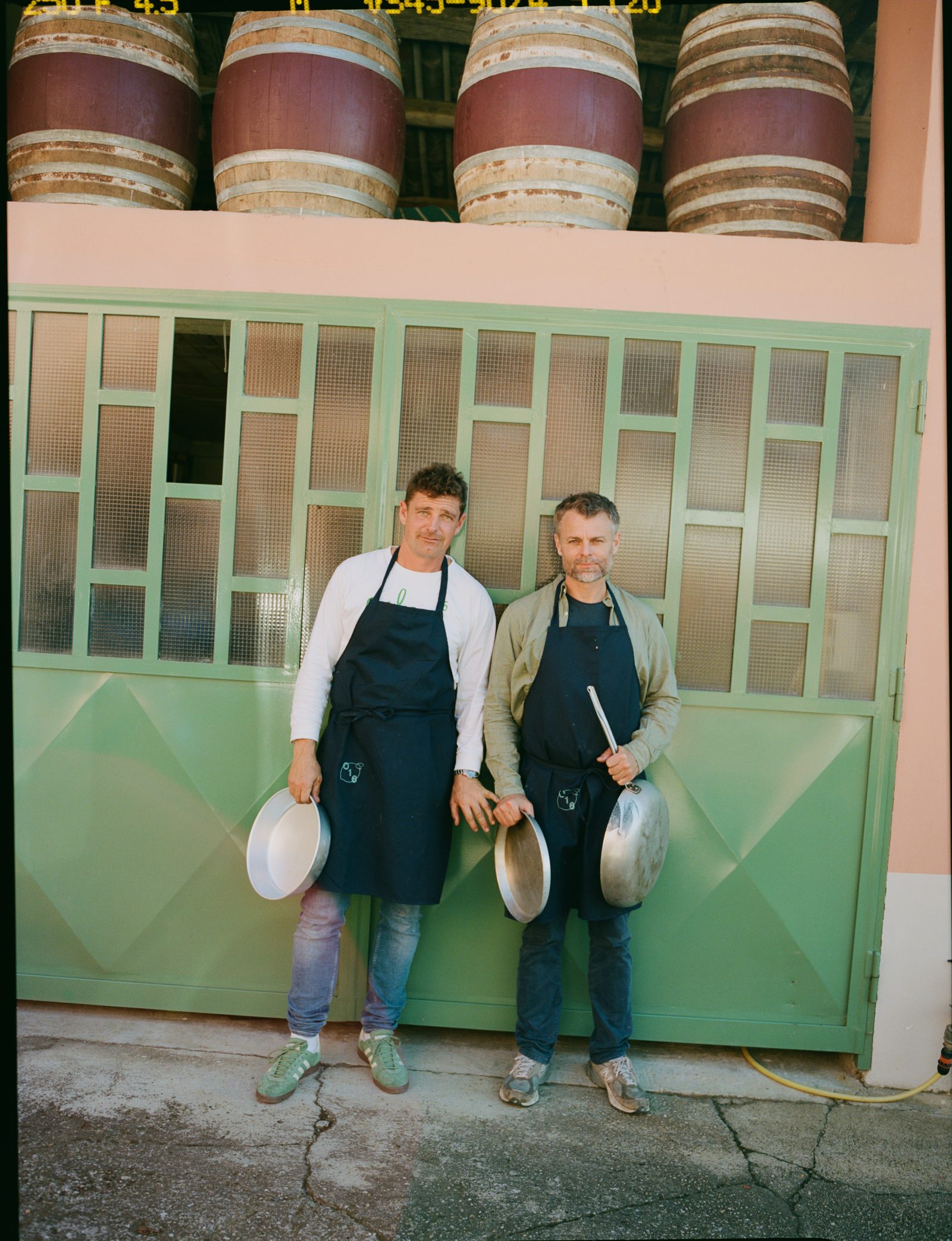
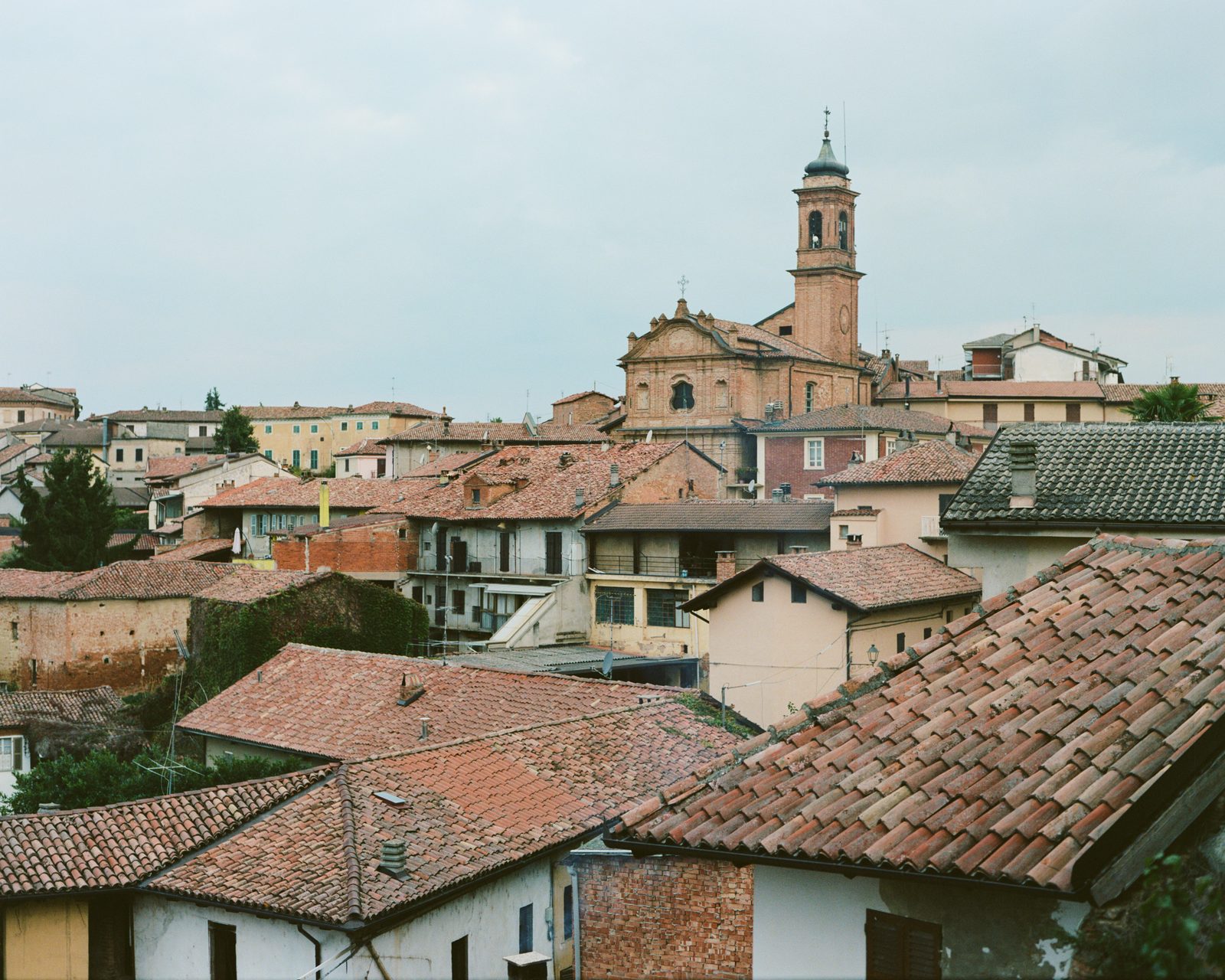
This time, Emil Alsbo and Morten Kaltoft took the kitchen to Piemonte because they know people there. For years they have worked with farmers, butchers and winemakers around Castagnole Monferrato. Earlier this year they went back for four days to cook for them.
‘We set off without much of a plan. Or perhaps the plan was to leave room for things to happen along the way,’ says Emil Alsbo.
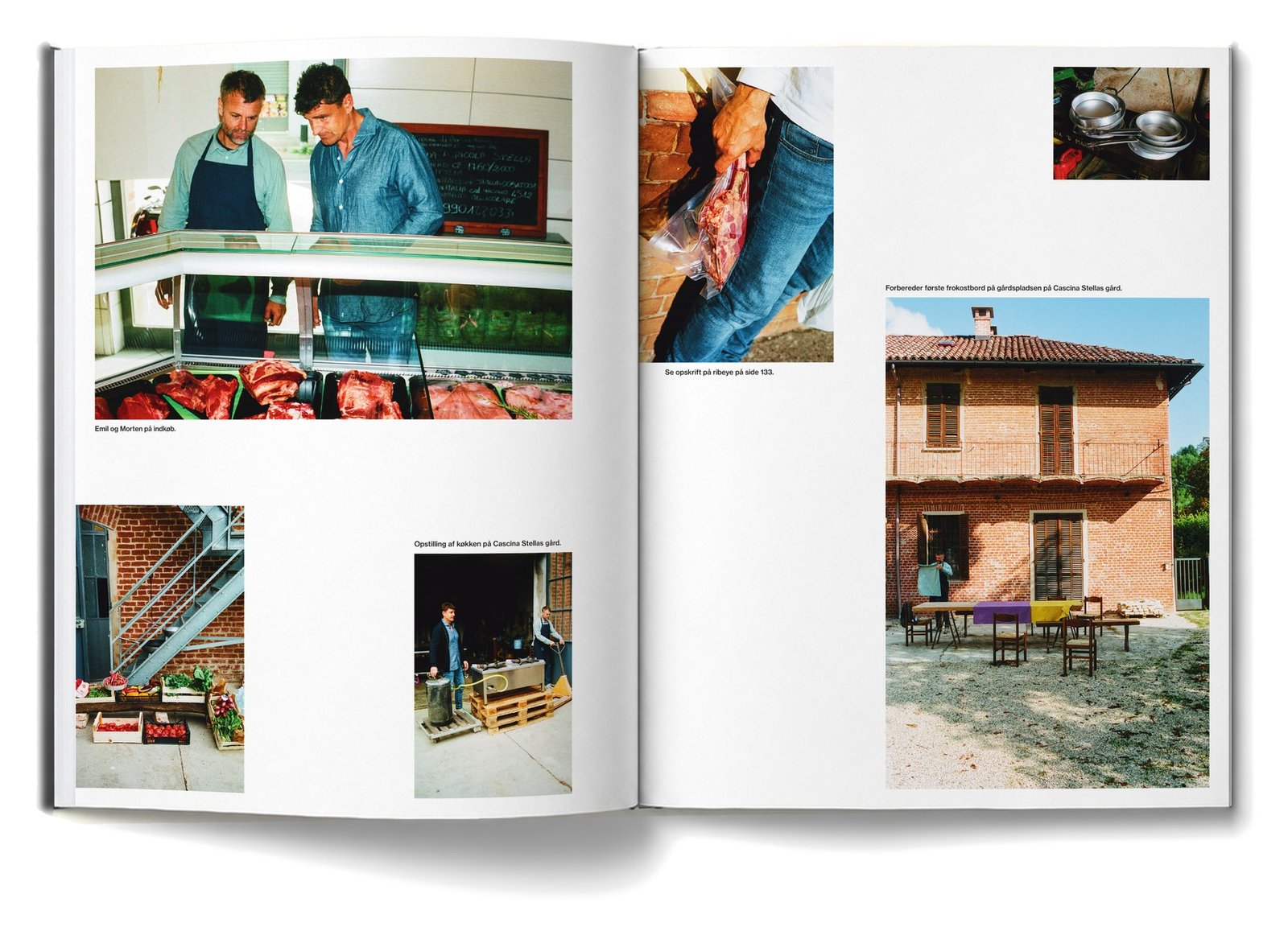
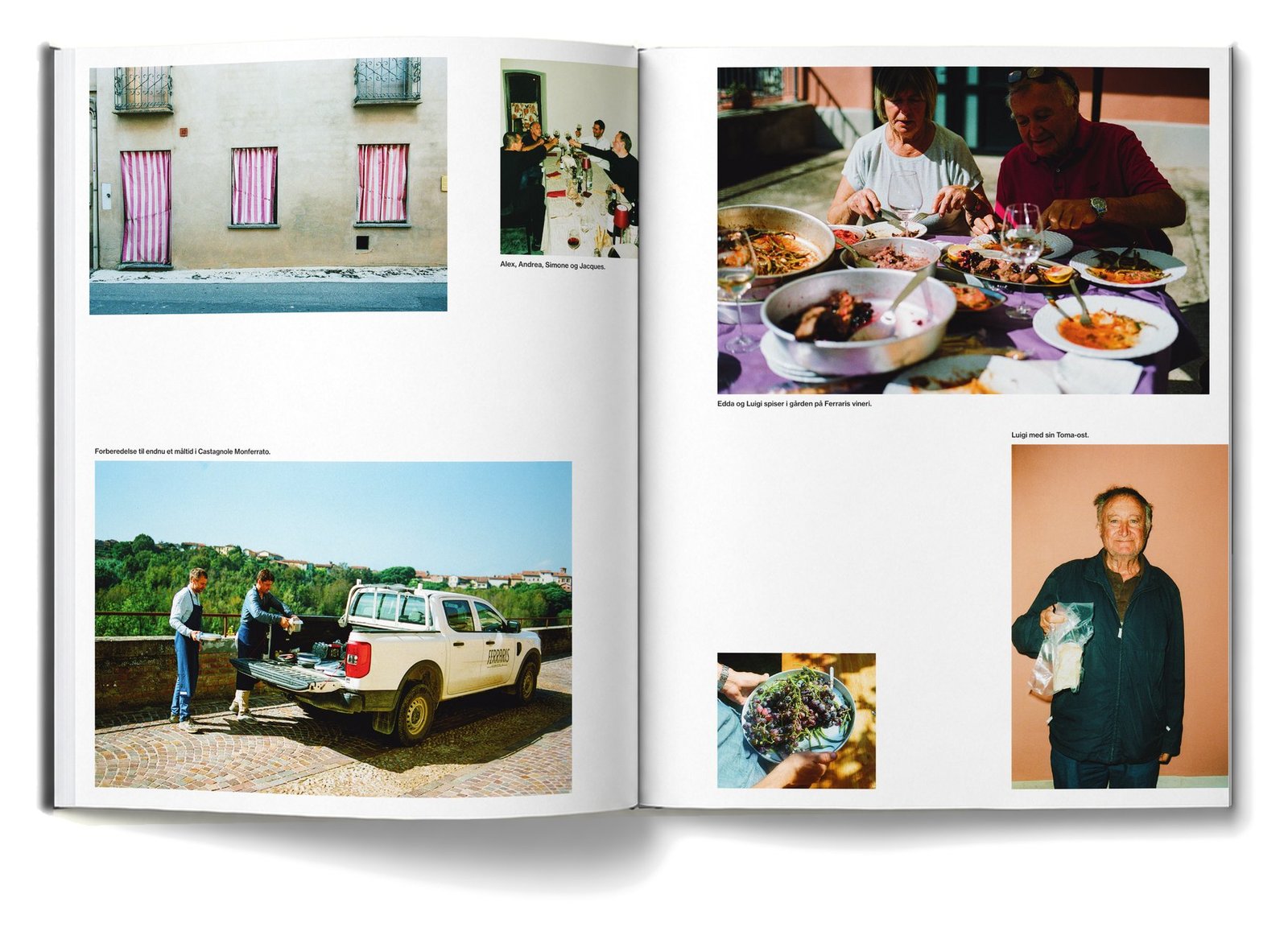
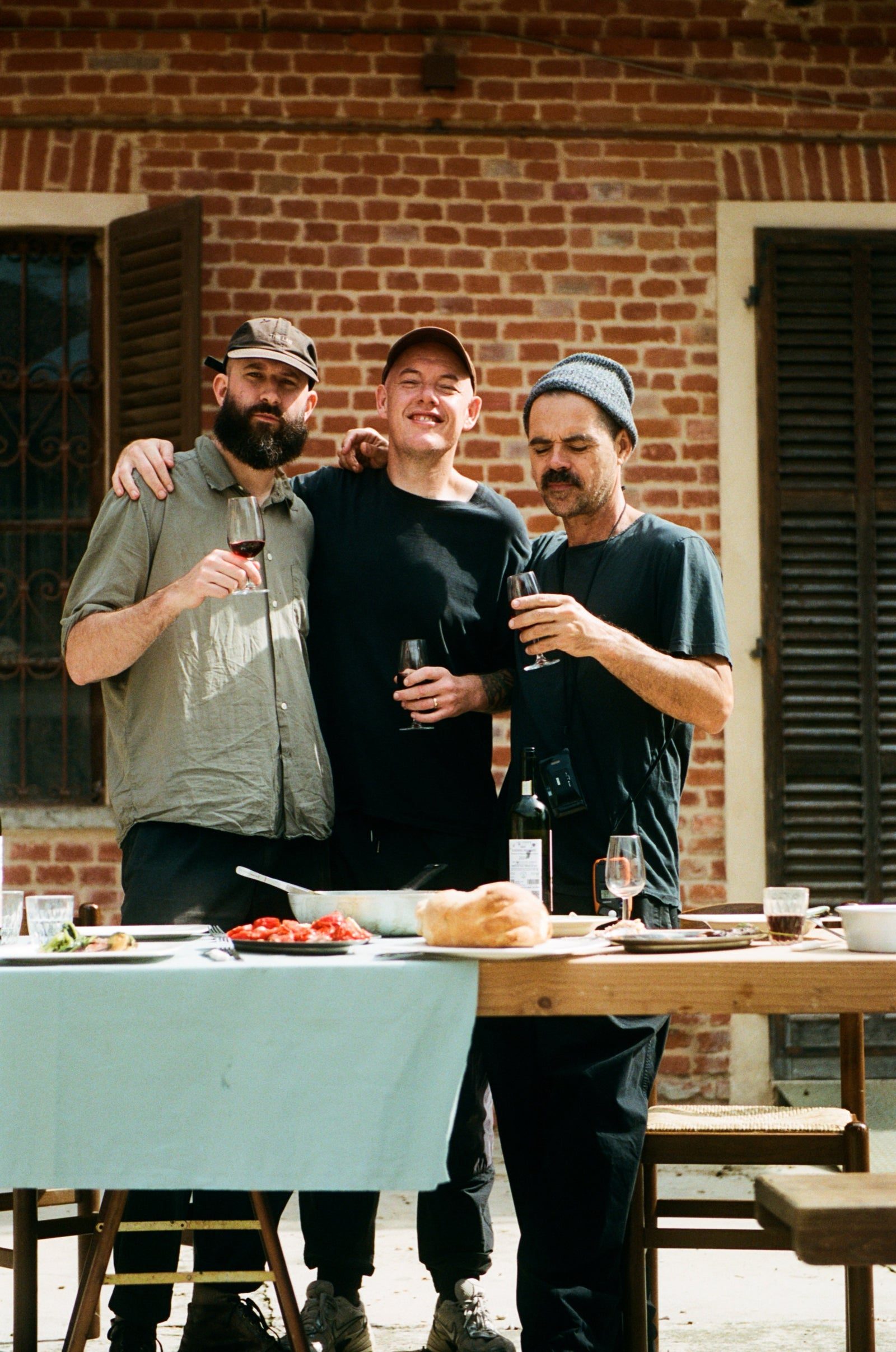
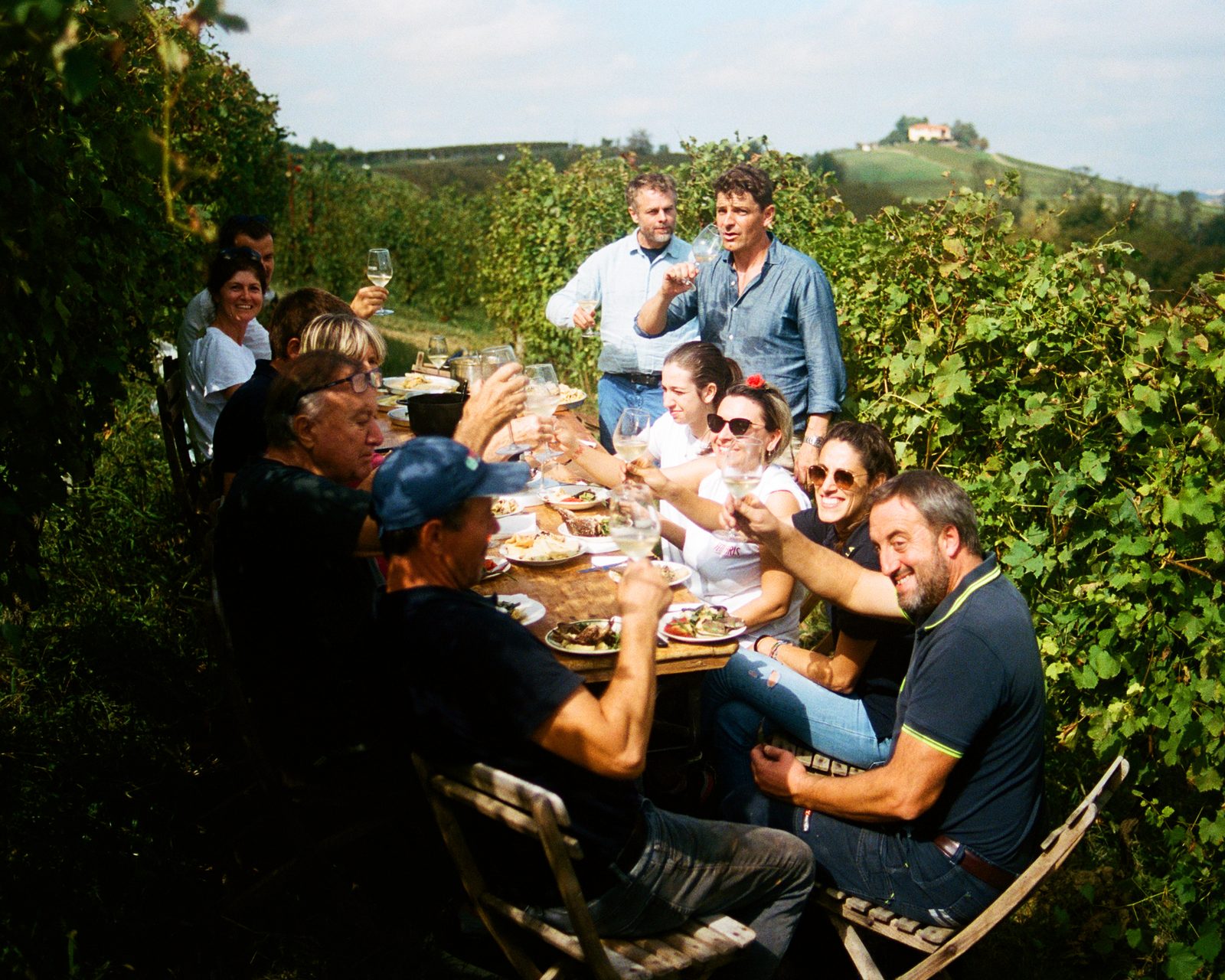
They cooked in Andrea’s courtyard at Cascina Stella and by the grill at Luca Ferraris’s vineyard, home of the Ruchè grape. They borrowed plates, glasses and tablecloths from their hosts, and fed the people who lent them.
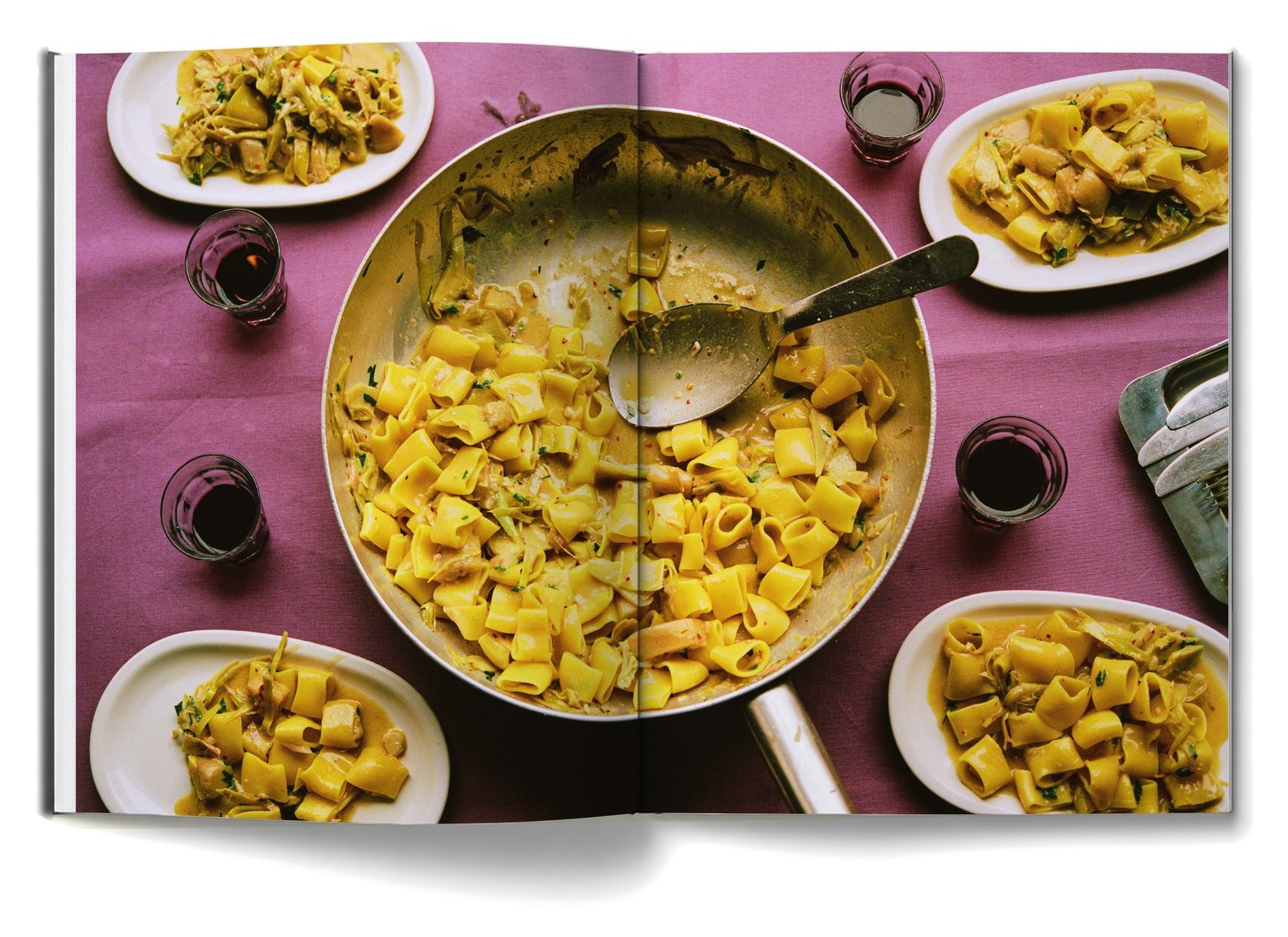
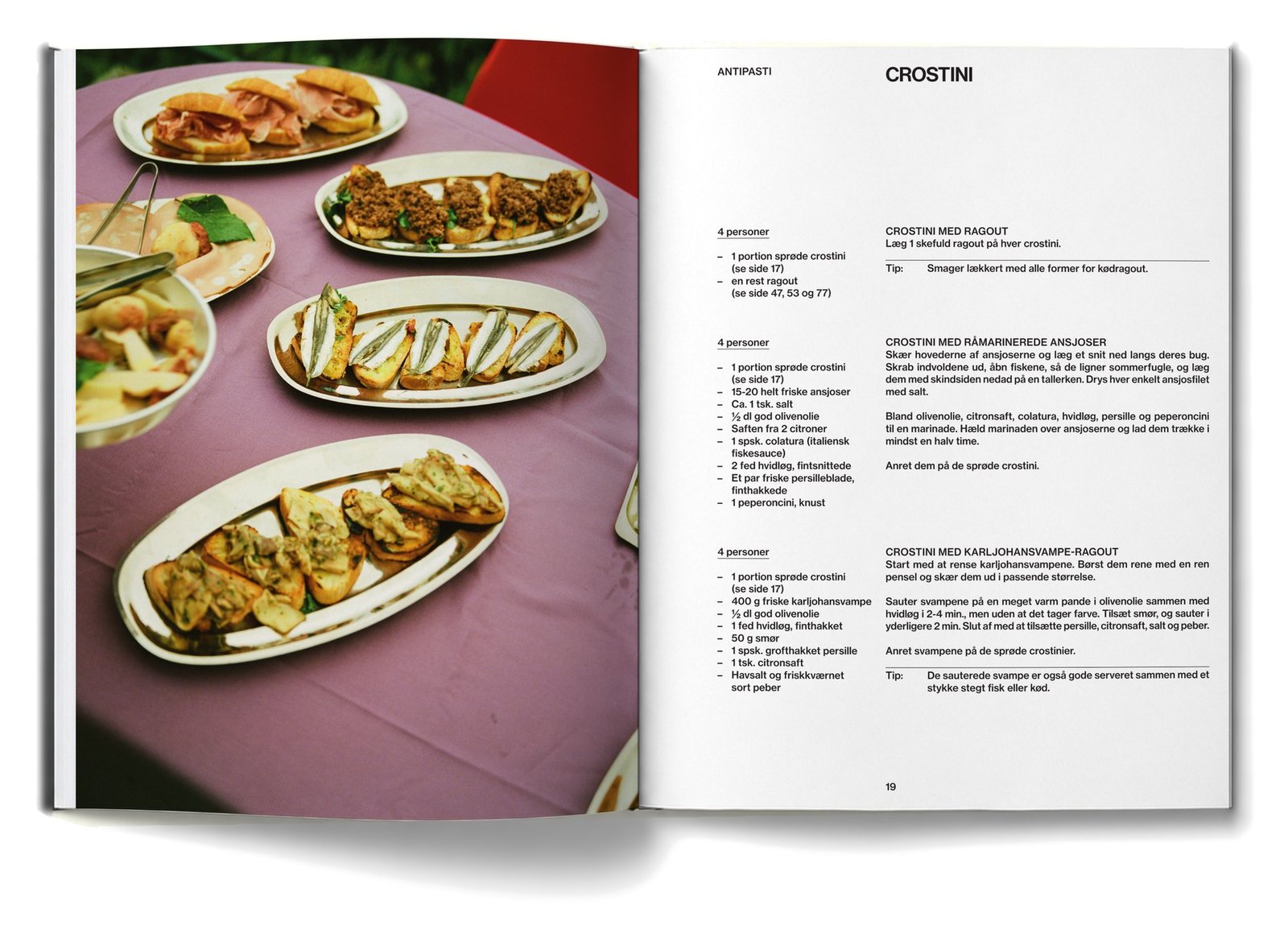
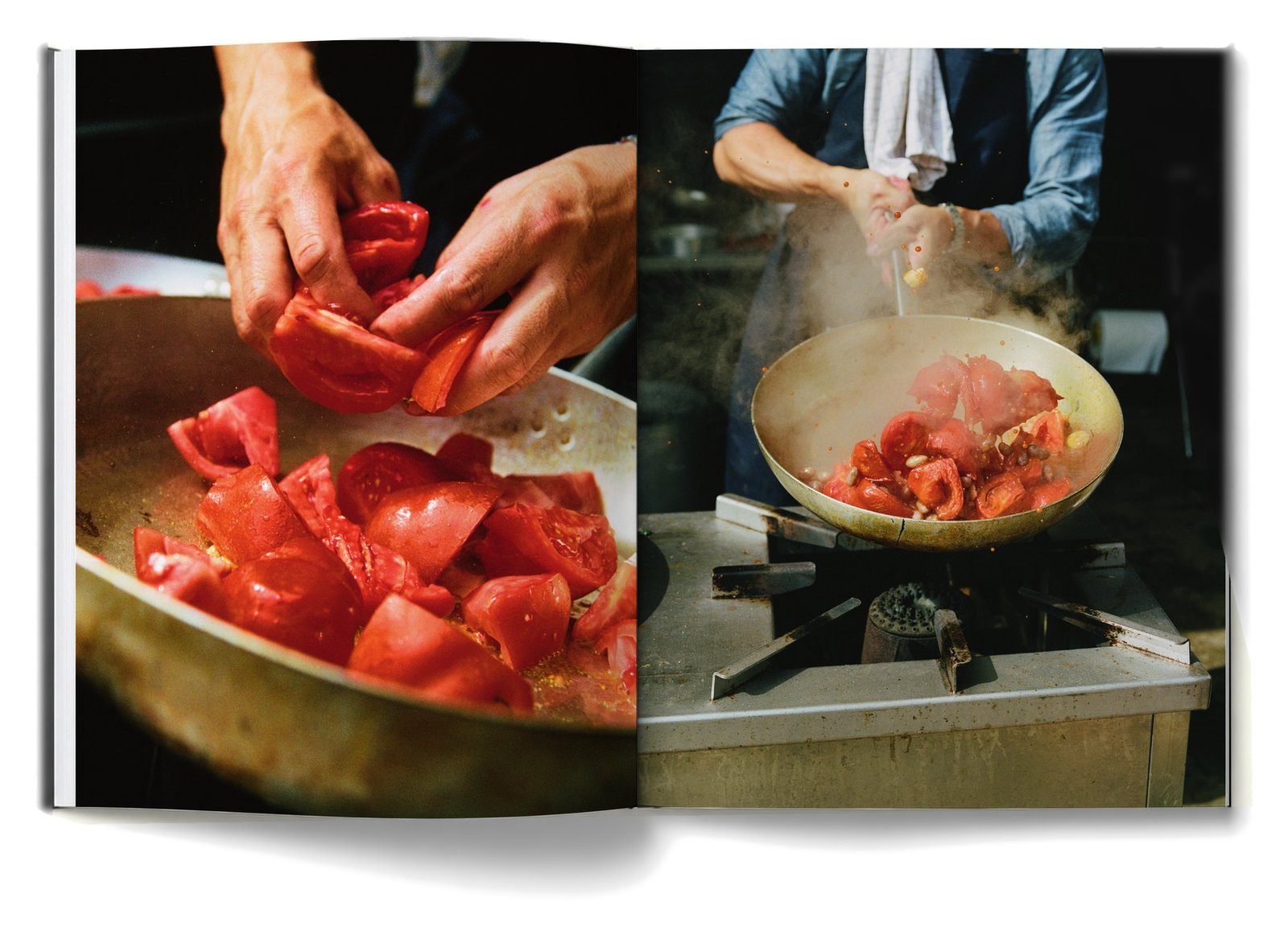
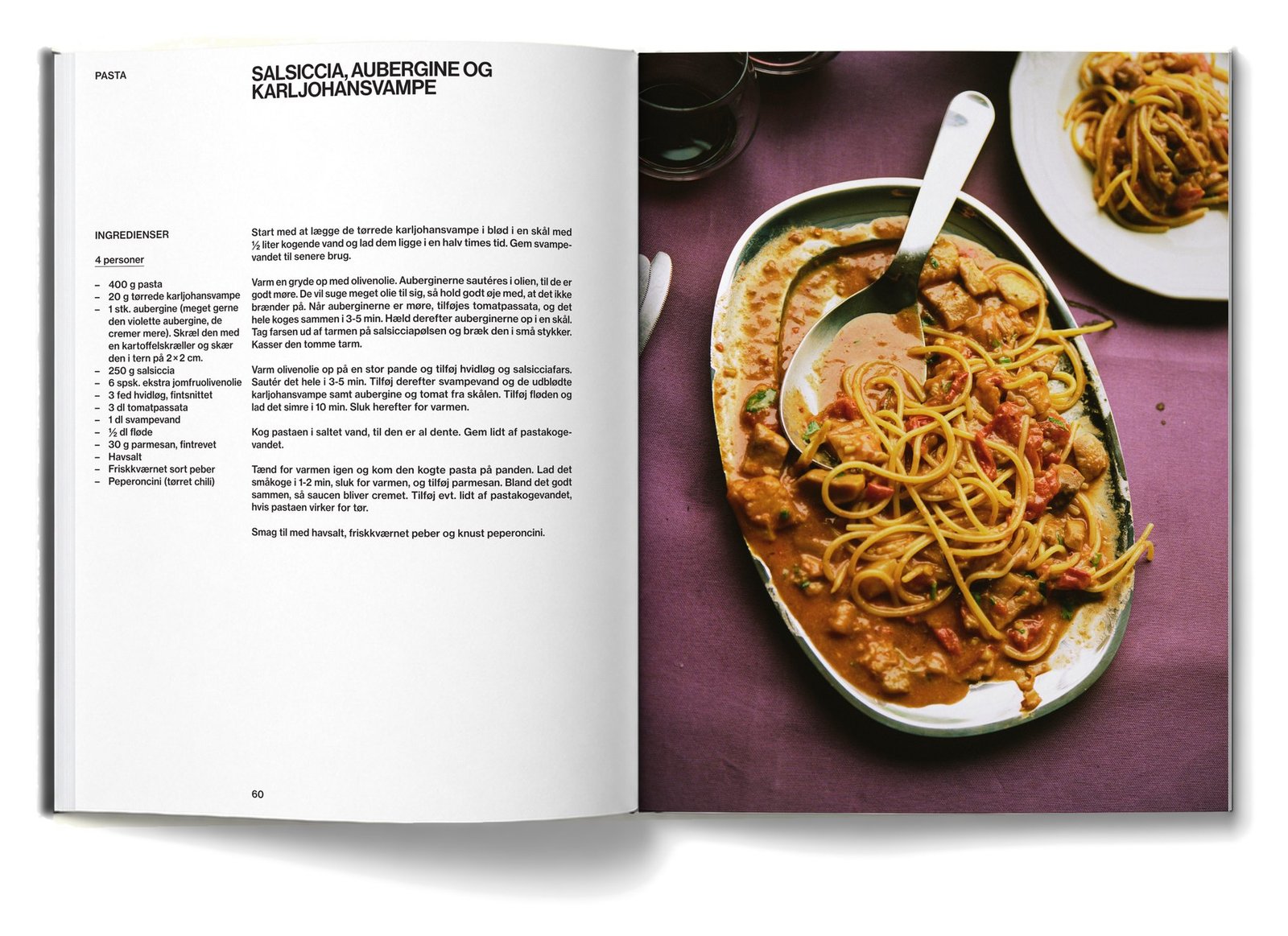
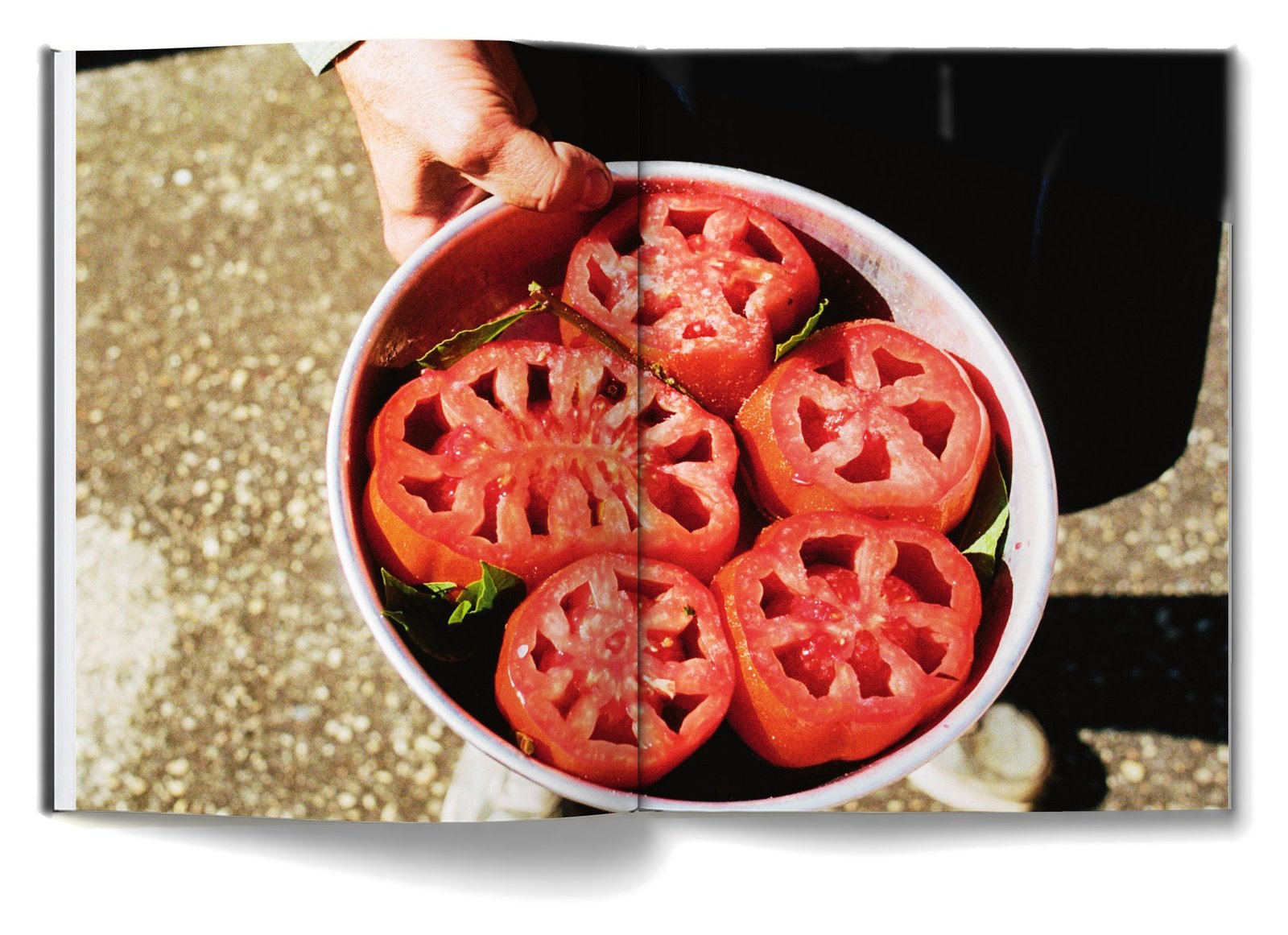
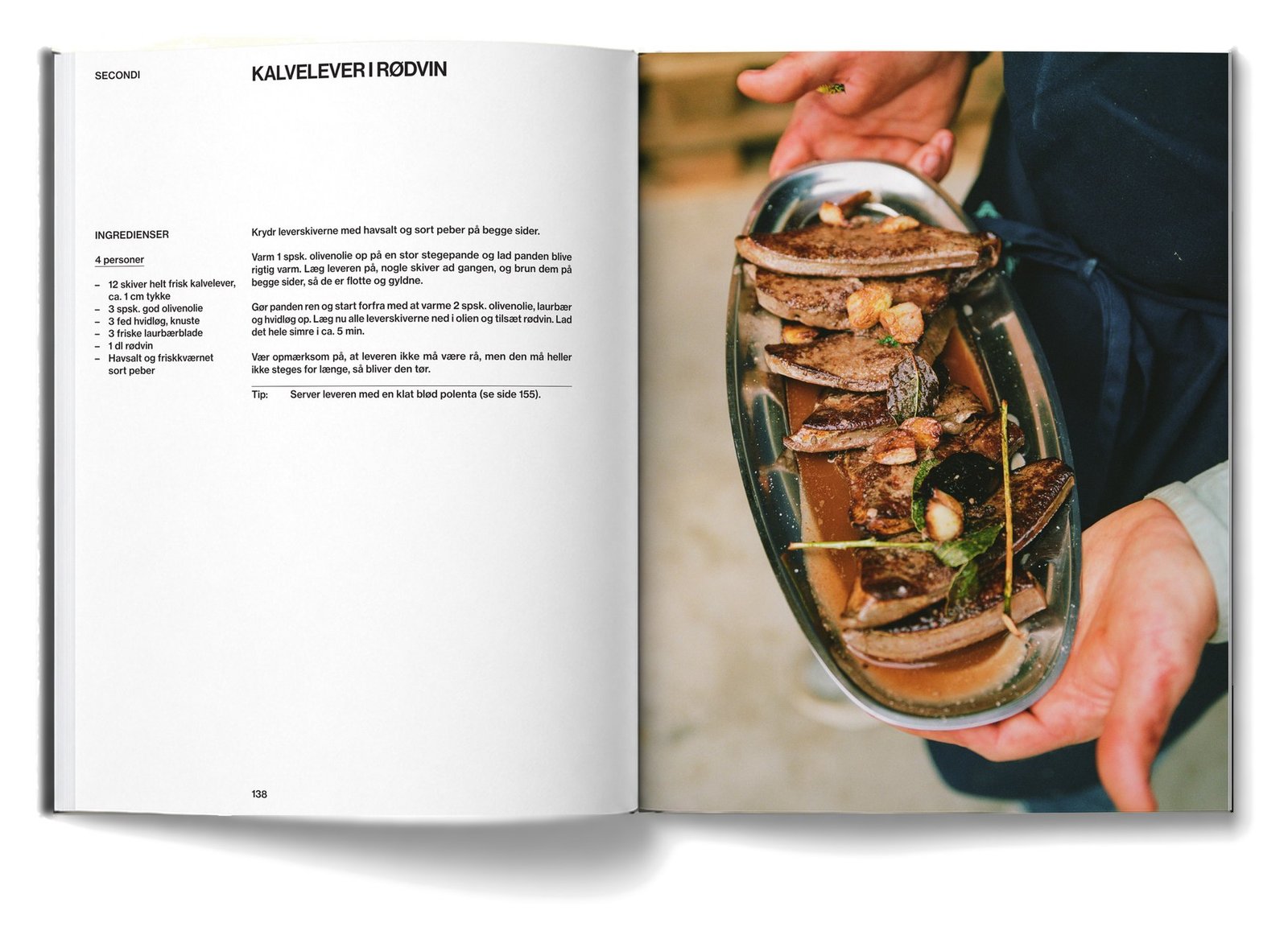
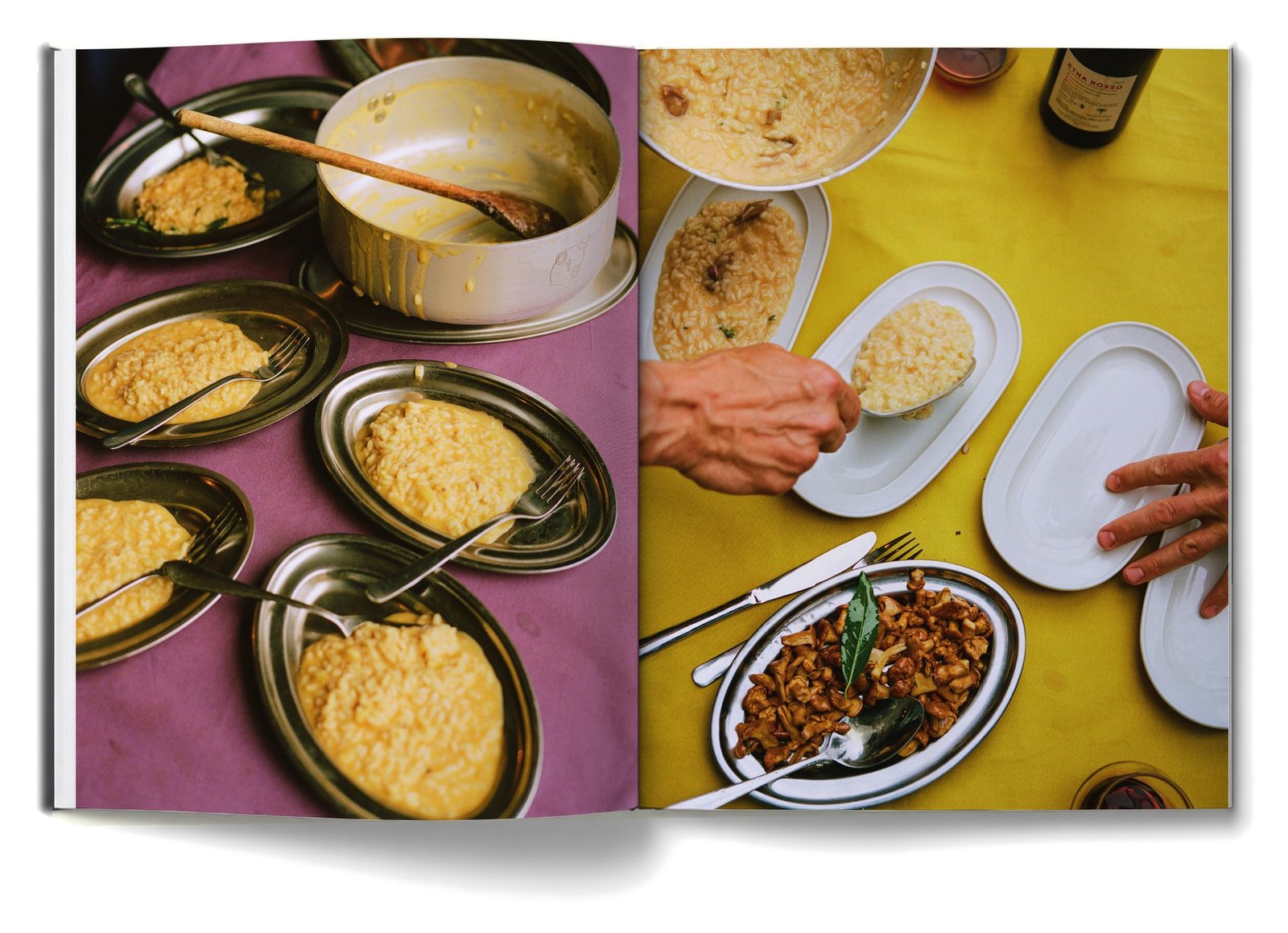
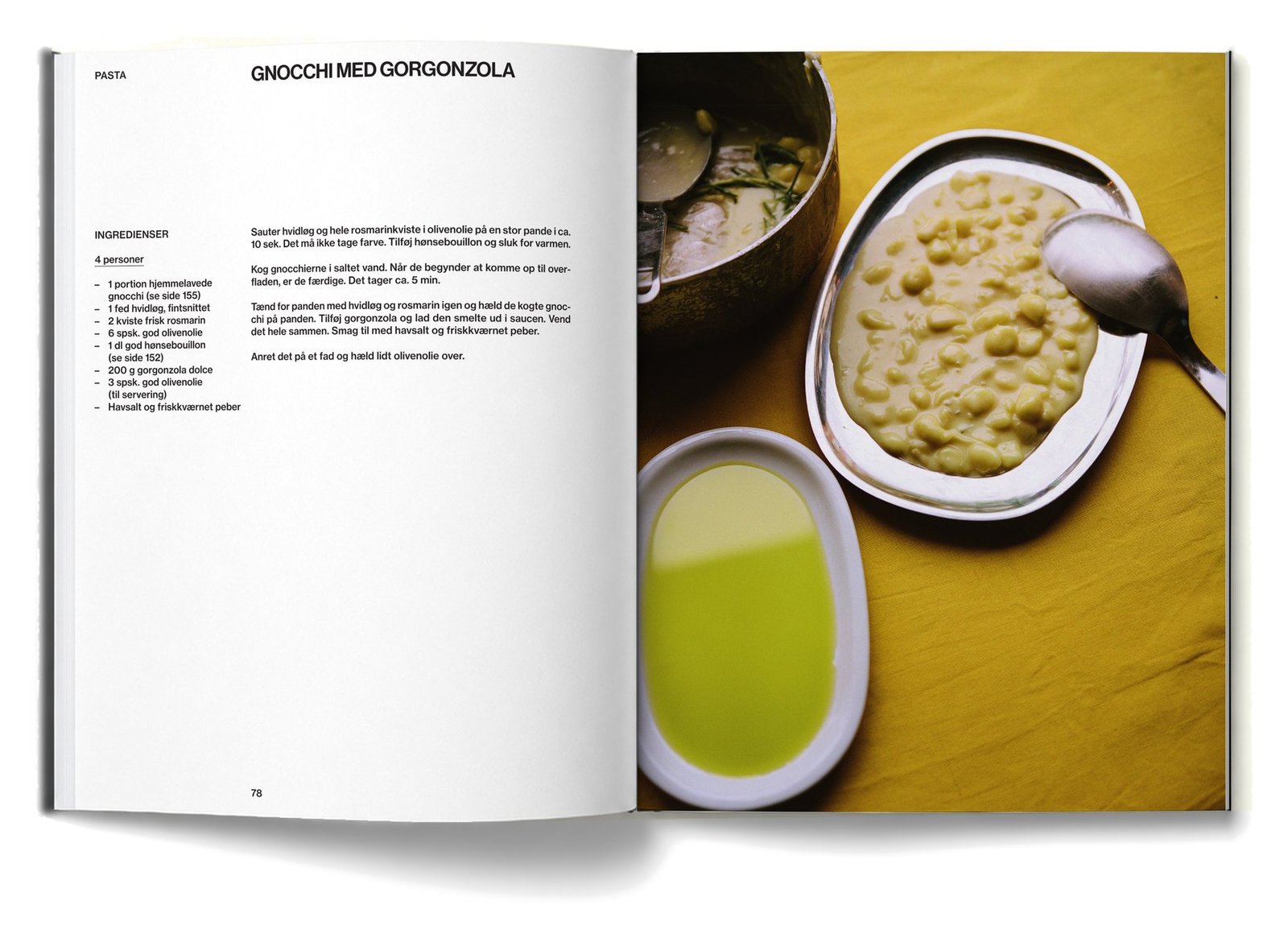
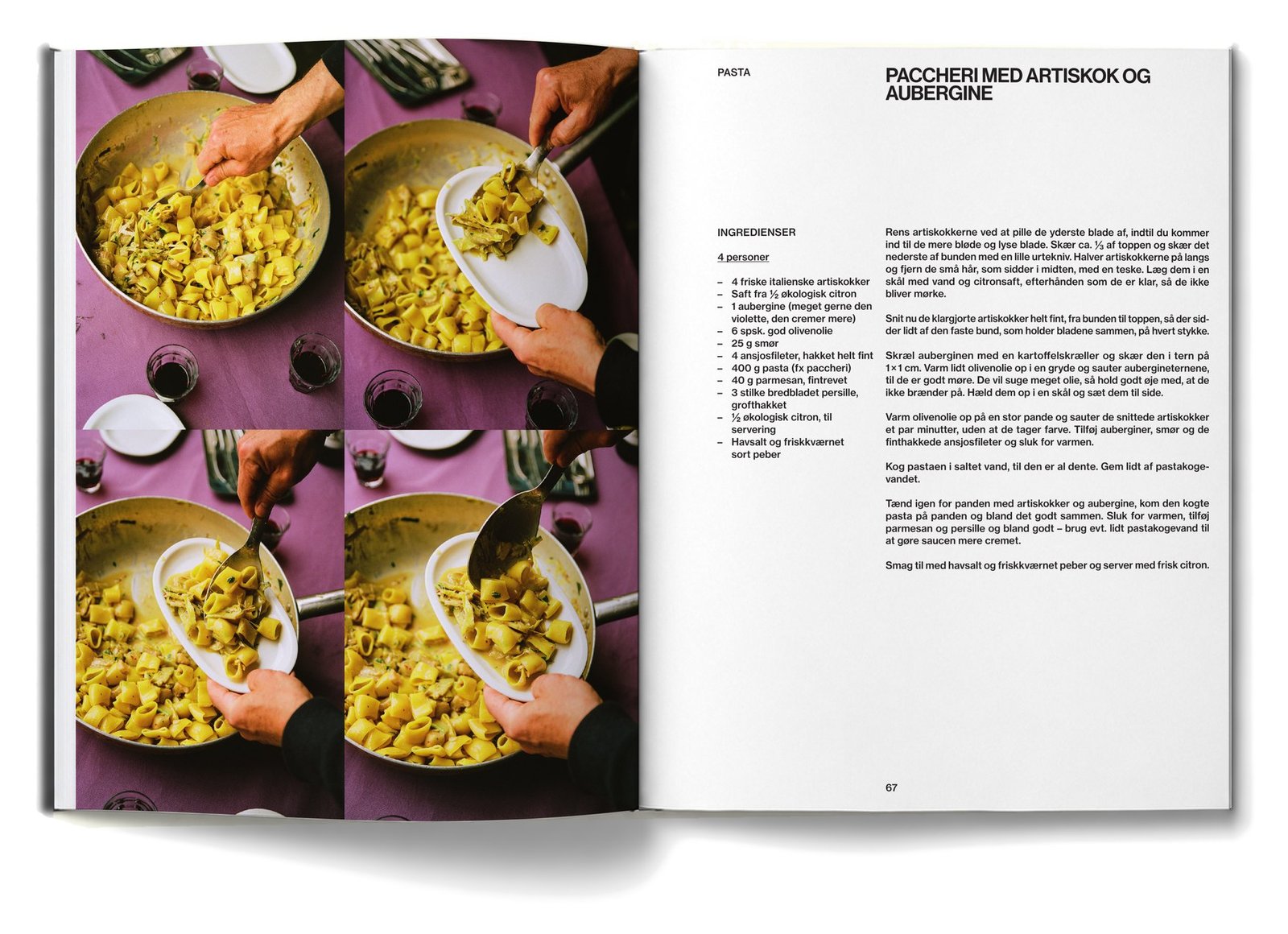
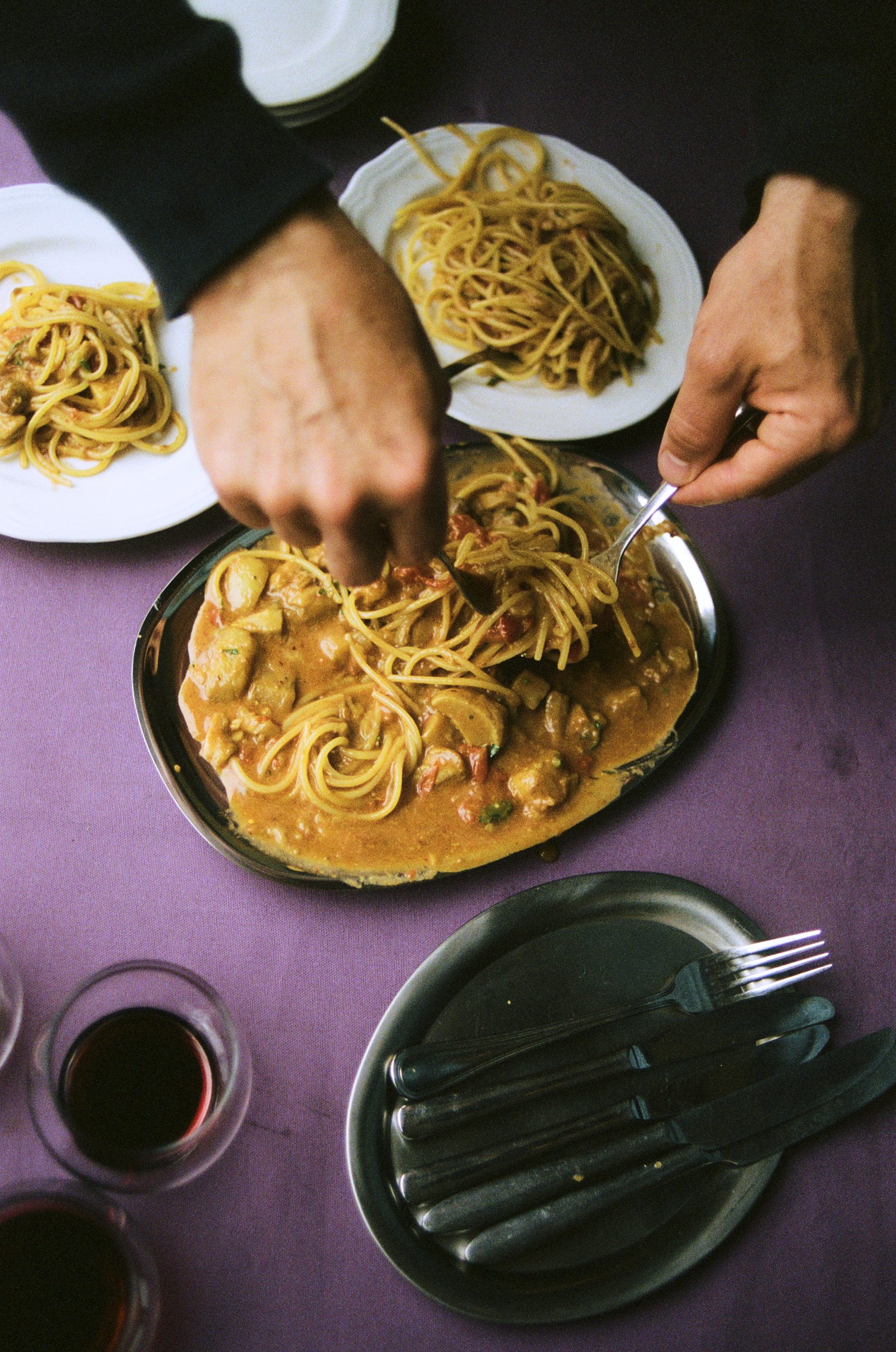
The result is 41 dishes, from antipasti and polenta to pasta, risotto, secondi and dolci, photographed by Rasmus Weng Karlsen as they came to the table.
Every recipe is in Danish and English.
The fourth cookbook from Osteria 16, Osteria 16 in Piemonte, will be published on 6 November 2026 by O16. It launches the same day at The Standard in London with Antenne Books, and in bookshops from 9 November.
The book was created by Emil Alsbo and Morten Kaltoft, the founders of the Copenhagen restaurants Osteria 16. Where their earlier books collect dishes from the restaurants, and Easy Pasta holds one category, this book is about one region and their friends in it.
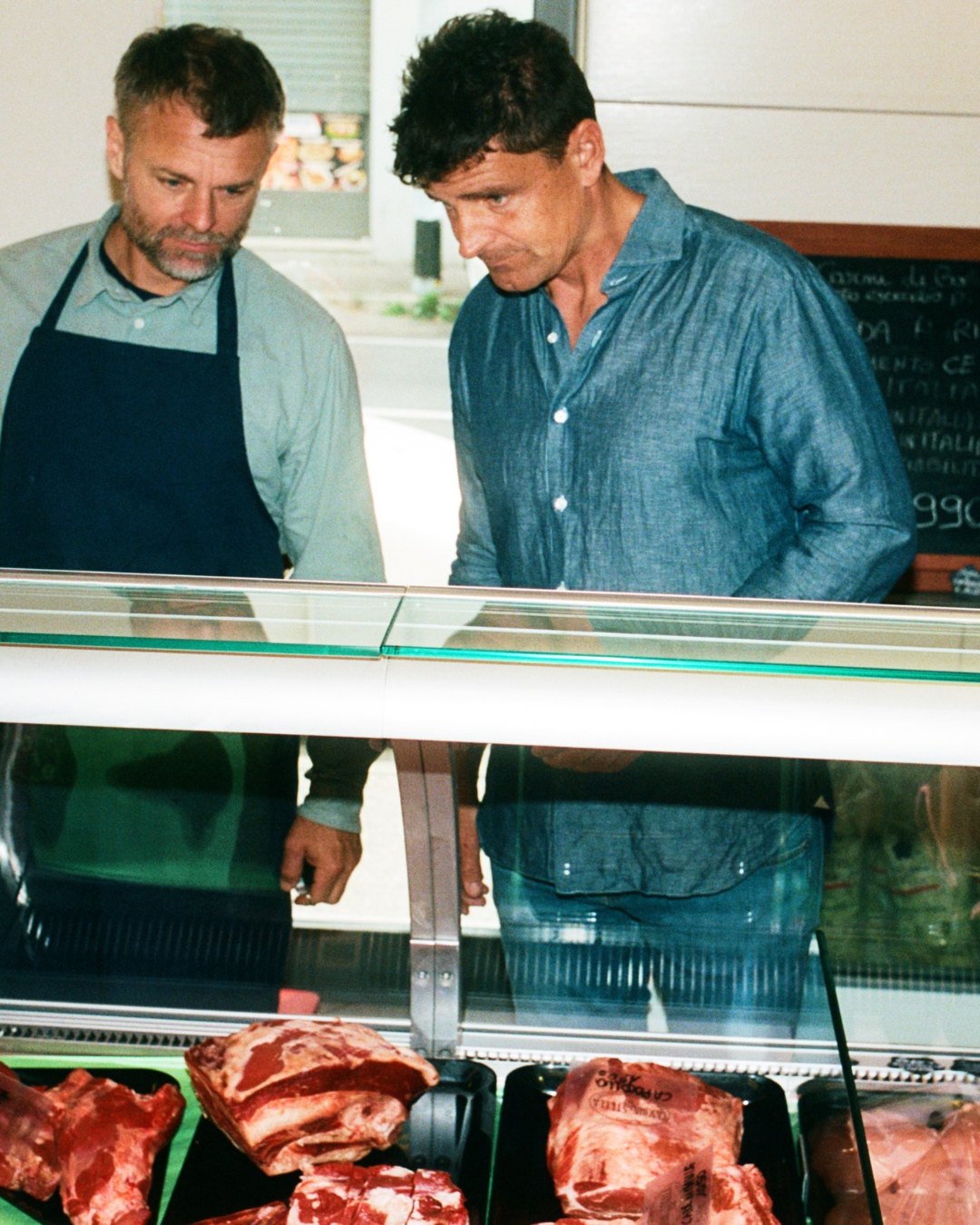
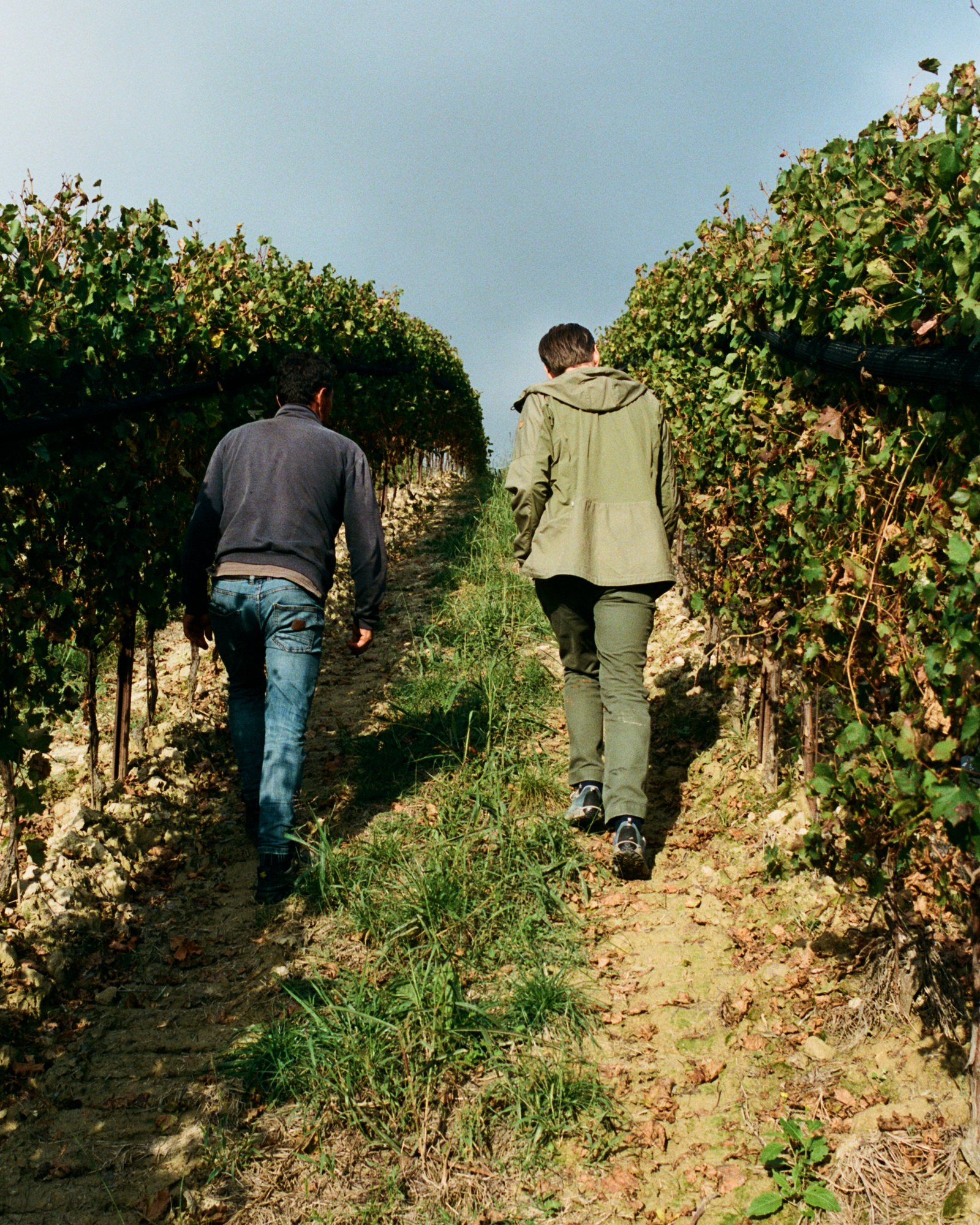
The founders chose Piemonte because they know people there. For around ten years they have worked with producers around Castagnole Monferrato, where Morten Kaltoft once had a house. They buy agnolotti and meat from Andrea at Cascina Stella and work in partnership with winemaker Luca Ferraris.
‘You can’t just knock on doors in Italy and tell people how to cook. You need good friends there, our friends there are almost like family,’ says Morten Kaltoft. ‘Otherwise you just bring Copenhagen into Piemonte.’
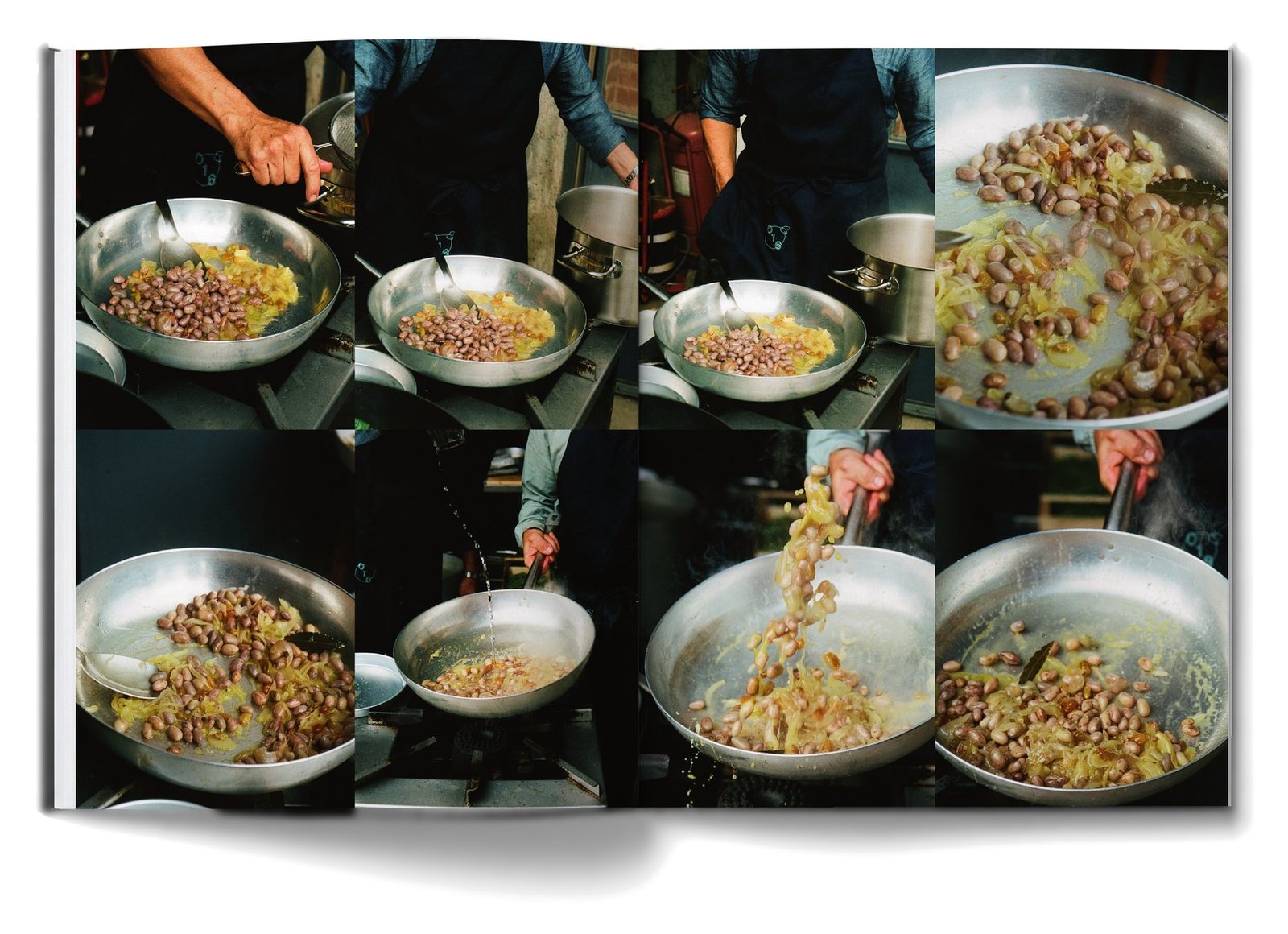
Earlier this year they spent four days there with photographer Rasmus Weng Karlsen and Professor Jacques Hartmann. They brought nothing from home and set one rule: never cook in the same place while we are here. They cooked at Andrea’s farm, by the fireplace in Luca’s courtyard and in kitchens built in an hour. Their hosts lent them a car, their cookware and their own plates and glasses.
‘Morten was cooking. I was helping him, and at the same time telling Rasmus when to take the pictures. Now, picture here. Now we bring the food to this table,’ says Emil Alsbo.
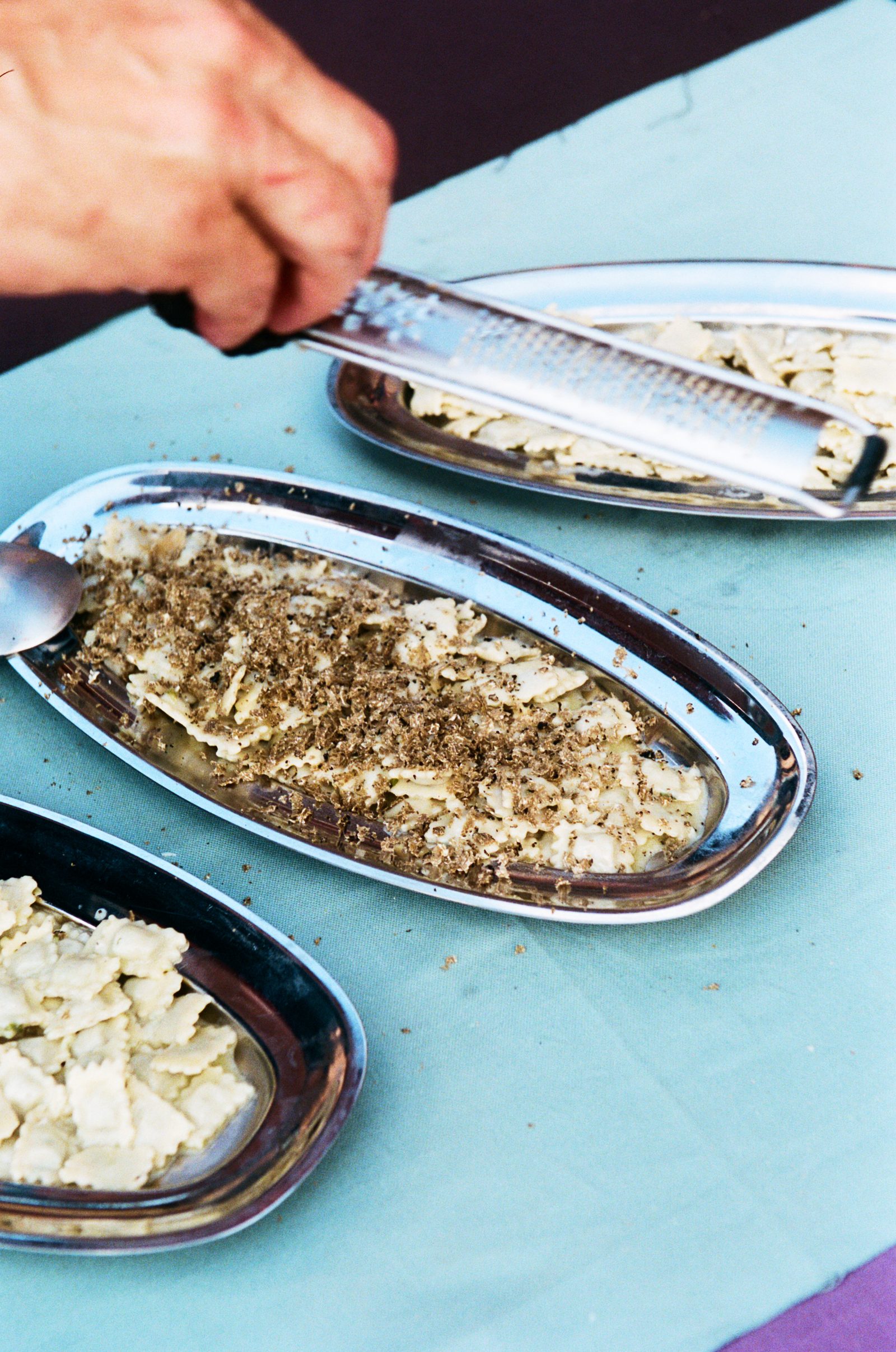
The food is the food of a colder, hillier region. More meat. Fish only when preserved, like anchovies in oil. Ruchè and Barbera from the Ferraris vineyards in the pan. Old bread in place of butter, as in the risotto with porcini, anchovies and bread. White truffle, because it was the season. Andrea’s mother’s salame cotto, served warm in soft local bread.
Osteria 16 in Piemonte contains photographs of every dish, the people and places behind them, and text on the region by Jacques Hartmann. Every recipe is written in both Danish and English.
We went to Piemonte because we know people there.
For around ten years we have worked with farmers, butchers and winemakers around Castagnole Monferrato. Morten had a house there. We buy agnolotti and meat from Andrea at Cascina Stella. We work with Luca Ferraris, who took over his grandfather’s winery and grows Ruchè. Morten has cooked for his staff, his family and once for 120 guests at the winery’s anniversary.
You cannot knock on doors in Italy and tell people how to cook. You need friends there, almost family. Without them you just bring Copenhagen to Piemonte. This book could only be made with them.
So we went for four days, with photographer Rasmus Weng Karlsen and Professor Jacques Hartmann, who speaks the language and knows the history better than we do. We made sure we brought nothing from home and had no real plan.
We did set one rule. Never cook in the same place. We cooked at Andrea’s farm, in Luca’s courtyard by the fireplace, in kitchens we built in an hour. Andrea’s wife drove home and brought back every plate she owned. Luca’s mother helped at the stove. What we needed, we bought at the supermarket, or Luca or Andrea provided from their farms, gardens and butchers.
The food of Piemonte is different from the food in our other books. More meat. Fish only when it is preserved, like anchovies in oil. Wine in the pan as well as the glass. Old bread used where others use butter. It is a kitchen that does not change, and it does not need to.
There are 41 dishes here. Antipasti, polenta, pasta, risotto, secondi and dolci.
We will go back.
Emil Alsbo and Morten Kaltoft